
The Cup That Tastes Like Tuscany: A Guide to Rosemary Tea
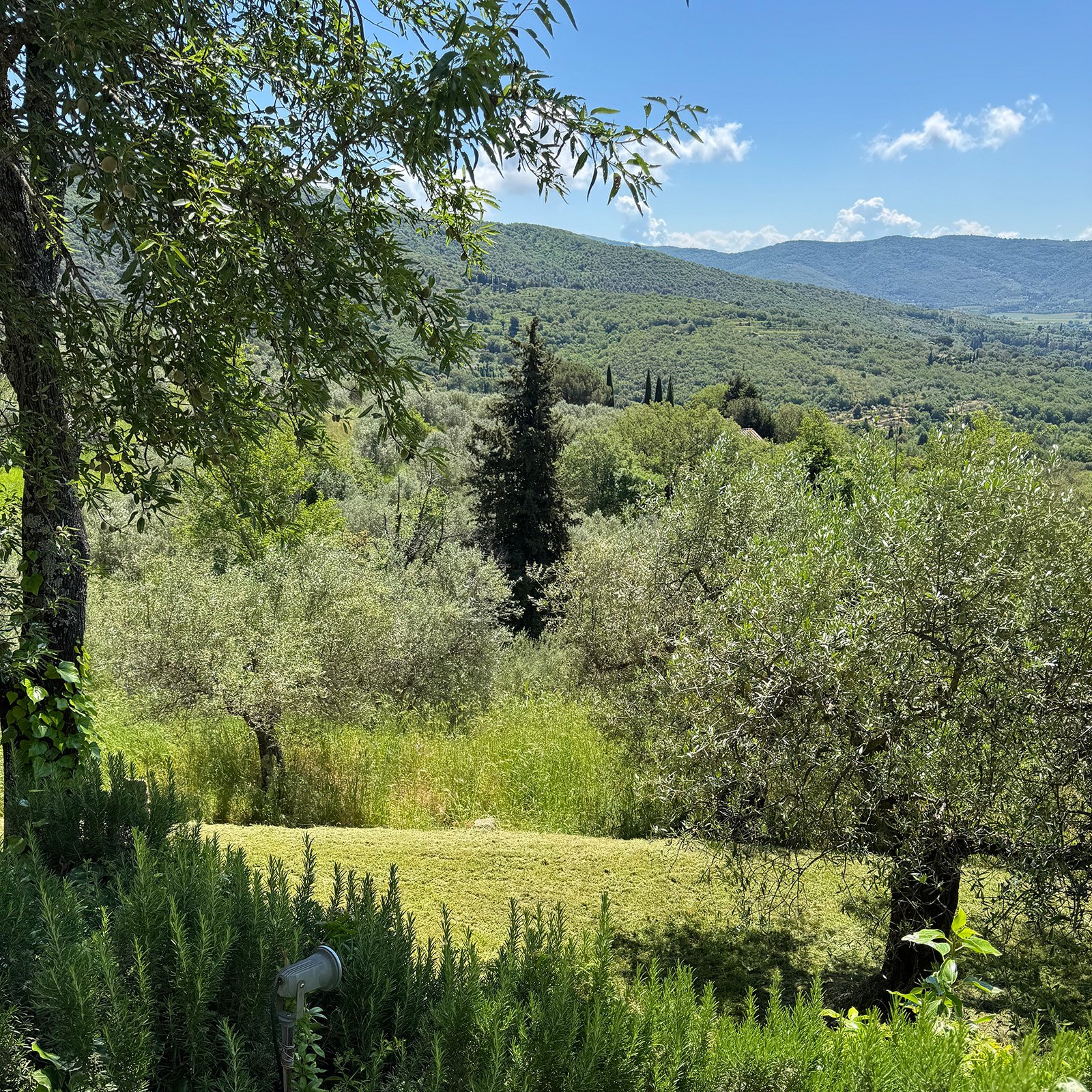
Rosemary on the Tuscan hillside
There are mornings in the Tuscan hills when the best thing you can do is walk into the garden and snap a sprig of rosemary between your fingers. The scent that rises is immediate. Resinous, green, faintly medicinal. Ancient, even. Rosemary has been growing in this landscape for millennia, and drinking it as a tea feels less like a wellness trend and more like remembering something you always knew. There’s a reason it has been used for centuries. Rosemary supports memory and focus, which is why it’s often linked to mental clarity. If your thoughts feel scattered, this is where you start. It also helps with digestion, especially after a rich meal, easing that heavy feeling without reaching for anything processed.
Why Rosemary Tea?
Rosemary (Rosmarinus officinalis - "dew of the sea") has been used in herbal medicine since antiquity, and modern research is beginning to catch up with what herbalists have long understood.
It supports the mind. Rosemary is perhaps best known as a herb of memory and mental clarity. Compounds in rosemary - particularly rosmarinic acid and 1,8-cineole - have been shown to support cognitive function and concentration. Even the scent alone has measurable effects on alertness.
It aids digestion. Drunk after a meal, rosemary tea works as a gentle digestive tonic, easing bloating and supporting the liver. The Italians have always known this, even if they never called it a health habit - it was simply what you did.
It's anti-inflammatory. Rosemary is rich in antioxidants and has natural anti-inflammatory properties, making it a quiet, cumulative ally for everything from joint comfort to immune resilience.
It settles the nervous system. Despite its invigorating scent, rosemary tea has a grounding quality that can ease tension headaches and mild stress - particularly when drunk slowly, without a screen in sight.
When to Drink It
Morning - before or alongside breakfast, rosemary tea makes an excellent coffee alternative on the days you want clarity without the jolt. It sharpens the mind without agitating it.
After lunch - the traditional Italian instinct is right. A small cup after the midday meal supports digestion and eases that heavy, slow feeling that can descend in the afternoon heat.
Before a walk - there is something fitting about drinking rosemary tea and then stepping out into a landscape where rosemary grows wild along every path. It orients you, somehow.
When you have a headache - sip it slowly, somewhere quiet. It won't work like a painkiller, but it has a way of loosening the grip.
How to Make It
The method could not be simpler, and simplicity is the point.
Take two or three fresh sprigs of rosemary - young, tender growth is best, with the most volatile oils. Rinse them briefly under cold water.
Place them in a cup or small teapot and pour over freshly boiled water that has been allowed to cool for a minute or two — just off the boil, around 90°C. Pouring boiling water directly can make the tea bitter.
Steep for five to seven minutes, then remove the sprigs. Any longer and the bitterness intensifies; any shorter and the tea tastes of very little at all.
Drink it plain, just as it is. Rosemary tea needs nothing - no milk, no sweetener - though a thin curl of lemon peel or a small spoonful of local honey can soften it beautifully if you prefer.
Straight from the Garden
At La Casa Cappellina, the rosemary doesn't come in a packet. It grows abundantly, without any encouragement along the terraces and paths, between the lavender and the olive trees, in that characteristically Italian way where the useful and the beautiful sit side by side.
Picking your own changes the experience entirely. There is something about snapping the stem yourself, about the oil on your fingertips as you carry it inside, that makes the cup (we prefer a pot) that follows feel earned and particular. This rosemary, from this garden, on this morning.
It is a small ritual, but Tuscany has always understood that small rituals are where the real living happens.